
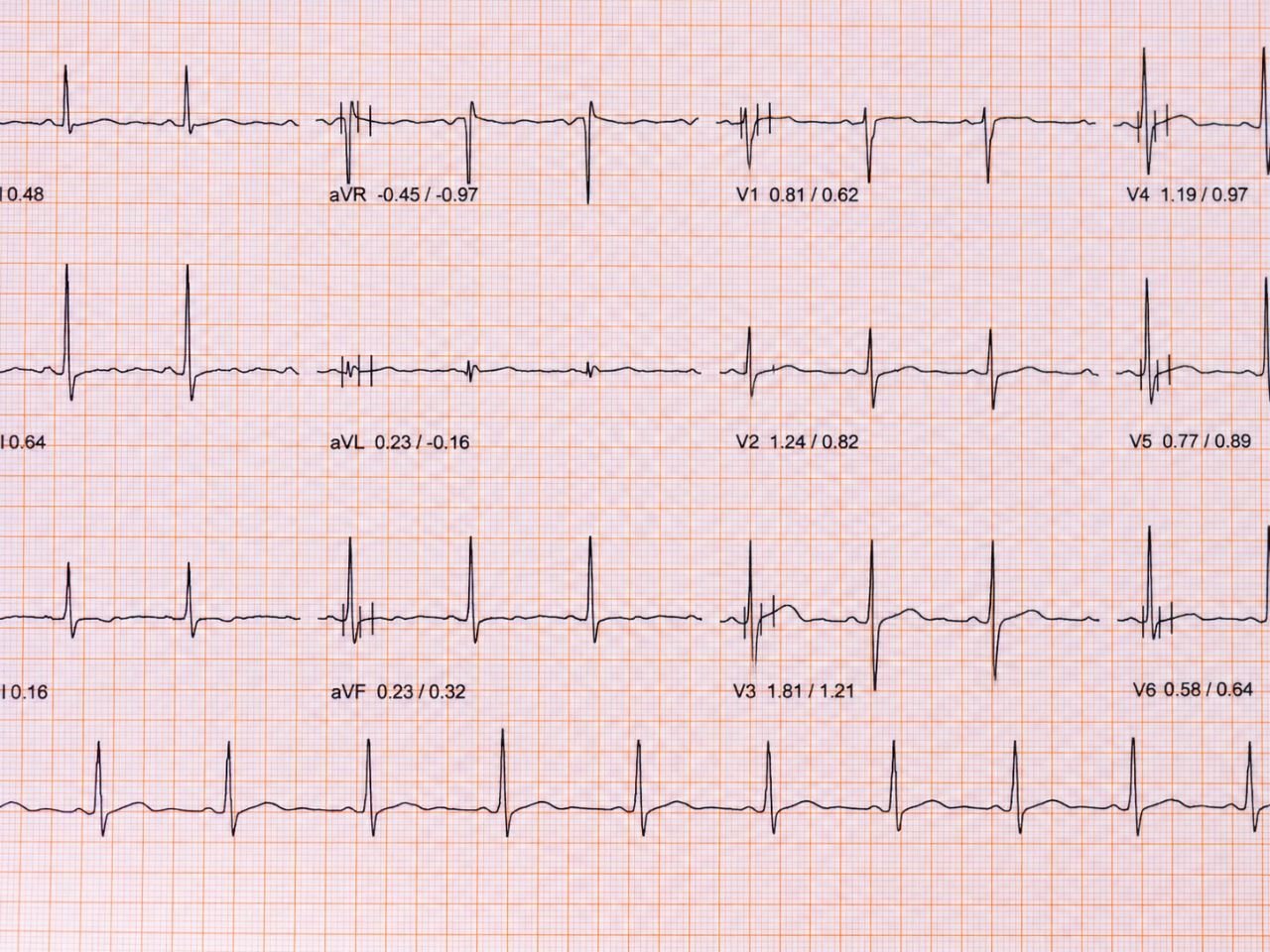
Electrocardiography (ECG or EKG) is a widely used diagnostic tool that records the heart’s electrical signals through skin electrodes. It produces a visual graph (electrocardiogram) that reflects the rhythm, rate, and overall electrical conduction of the heart. By capturing these patterns, ECG helps clinicians detect abnormalities and assess cardiac function in real time.
ECG is valuable because it provides a quick, accurate, and non-invasive assessment of the heart’s rhythm and electrical activity. It can detect arrhythmias, conduction problems, and ischemic changes early, making it an essential first-line test in both emergency and routine cardiac care.
Early detection of arrhythmias such as atrial fibrillation, tachycardia, or bradycardia.
Identifies heart attacks and ischemia, even silent ones.
Evaluates conduction disorders like AV block or bundle branch block.
Supports management of high-risk patients with hypertension, diabetes, or existing heart disease.
Guides urgent therapy during acute chest pain or suspected myocardial infarction.
Essential in routine screenings and pre-surgical assessments.
Monitors therapy effectiveness, drug response, and pacemaker function.
Safe, quick, inexpensive, and widely accessible.

“Committed to exceptional healthcare and compassionate care for every patient, at every step.”
Maps
Copyright ©2025 All rights reserved | Designed by Rebecca Digital