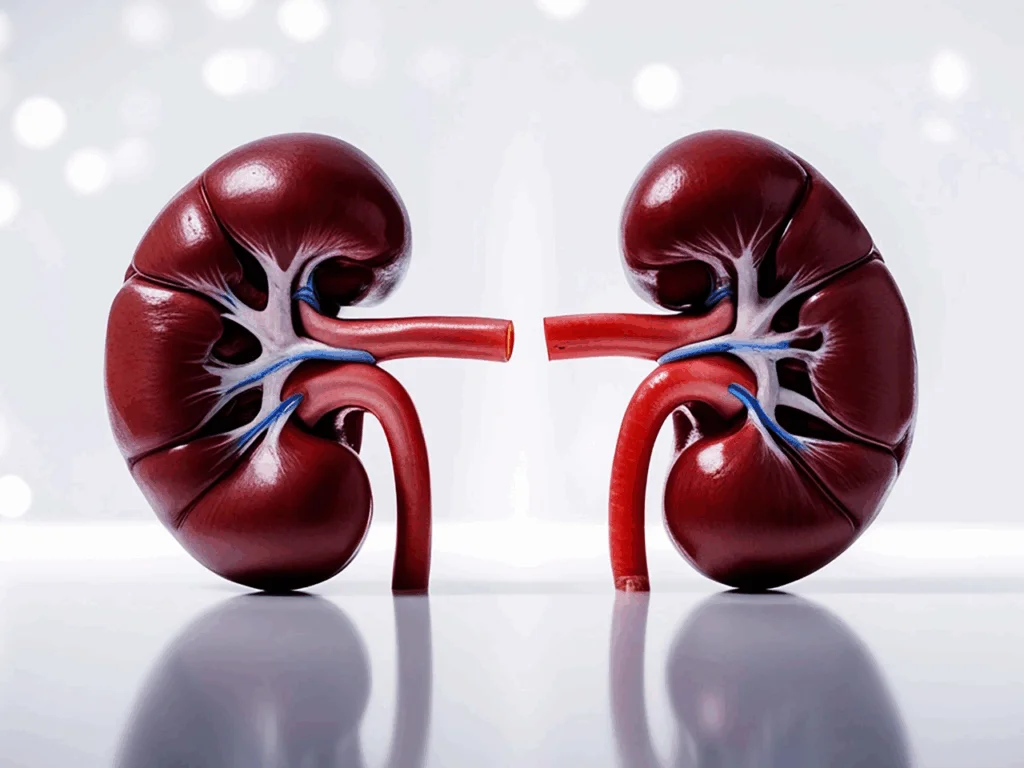
Renal Denervation (RDN) is a minimally invasive catheter-based procedure designed to treat resistant hypertension—high blood pressure that remains uncontrolled despite multiple medications.
During the procedure, a catheter is inserted through the femoral or radial artery and guided to the renal arteries. Controlled radiofrequency or ultrasound energy is then delivered to disrupt overactive sympathetic nerves in the artery walls, reducing their influence on blood pressure regulation.
The sympathetic nervous system plays a major role in maintaining high blood pressure in some patients. By targeting and reducing this nerve activity, RDN provides a novel and effective treatment option for individuals who do not respond adequately to lifestyle changes or medications.
RDN has shown benefit in:
Patients with resistant hypertension (BP uncontrolled despite 3+ drugs)
Individuals who are intolerant to medications or experience side effects
Cases where uncontrolled blood pressure increases cardiovascular risk
This procedure offers long-lasting improvements in blood pressure control and may reduce the overall risk of stroke, heart attack, and kidney damage.
Provides significant and sustained reduction in blood pressure.
Effective in patients with resistant or uncontrolled hypertension.
Reduces dependency on multiple antihypertensive medications.
Lowers long-term risk of heart attack, stroke, and kidney disease.
Minimally invasive, safe, and performed under local anesthesia.
Quick recovery with minimal hospital stay.
Offers a promising solution where medications alone are not enough.
“Committed to exceptional healthcare and compassionate care for every patient, at every step.”
Maps
Copyright ©2025 All rights reserved | Designed by Rebecca Digital